Home › Movement › Active recovery
Active recovery
What it is and how it works
After a hard workout, the body needs time to adapt: muscles rebuild, energy stores refill, and the nervous system settles. Passive recovery means resting completely. Active recovery means moving gently instead, at an intensity well below the session that came before.
There are two common forms. One happens immediately after a workout, as a cool-down: a few minutes of easy jogging after a run or slow pedalling after a cycling session. The other fills whole days between harder training sessions: a walk, an easy swim or a short mobility routine.
Gentle movement keeps blood flowing through muscles without adding much new stress. Many people find it helps them feel less stiff the next day, although research on its precise physical effects is mixed. Much of its value may be simple: it keeps a routine going, it feels good, and it is far less demanding than another hard session.

What counts as "easy"
Intensity is the key. A useful guide is the talk test: during active recovery you should be able to hold a conversation comfortably. On a scale of effort from 1 to 10, it usually sits around 2 to 4.
Typical examples:
- walking, including hilly walks at a relaxed pace,
- easy cycling,
- gentle swimming or water walking,
- yoga, tai chi or mobility work,
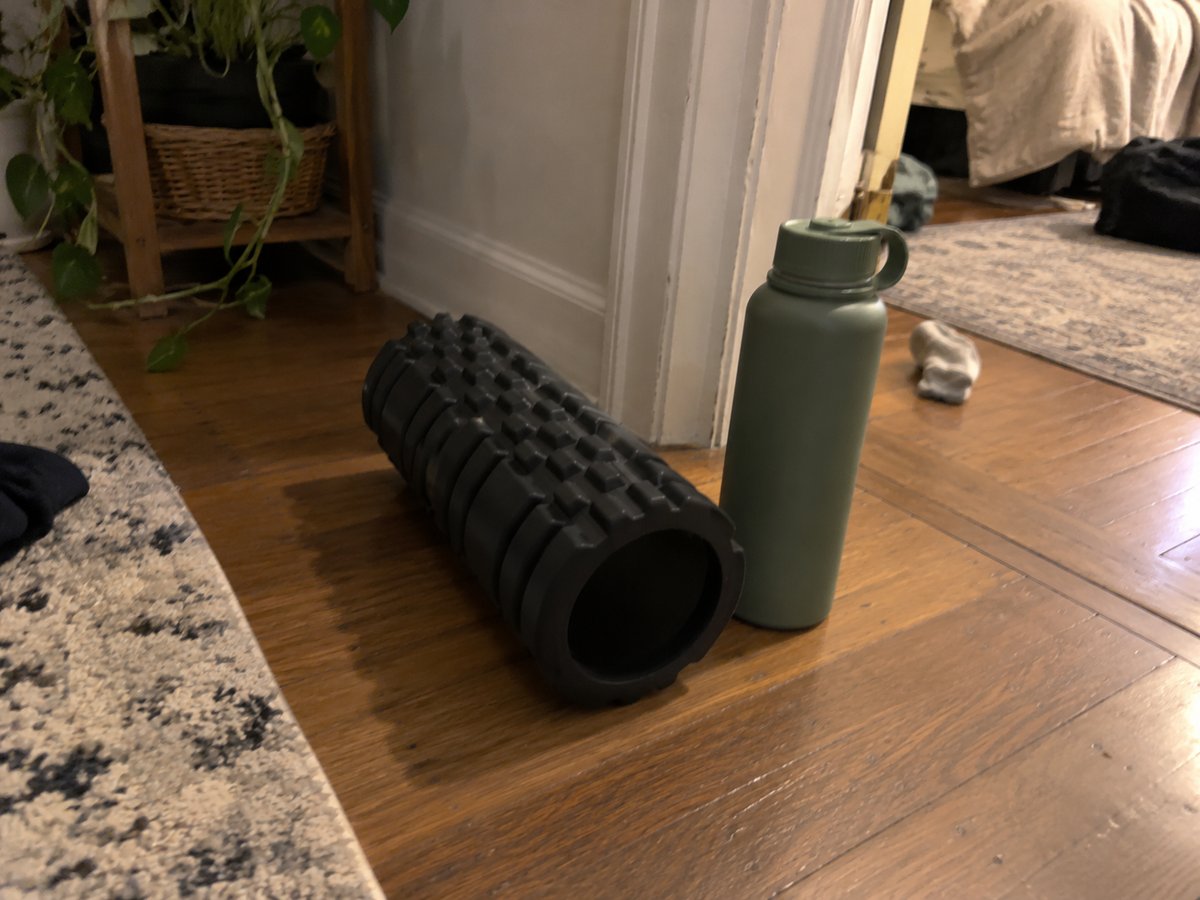
- foam rolling or self-massage, combined with light movement.
When rest is the better choice
Active recovery is not always the right answer. Complete rest makes more sense when you are ill, injured, or unusually exhausted. Signs that the body may need more than easy movement include persistent muscle soreness, poor sleep, low motivation, irritability and a resting heart rate that stays noticeably higher than usual for several mornings. Sleep and food are the foundations of recovery; no amount of light activity replaces them.
In everyday life
- Cool down for five to ten minutes at the end of a hard session instead of stopping abruptly.
- Plan easy days between harder ones, especially when starting resistance training or a running programme.
- Keep it truly easy: active recovery that turns into another workout is no longer recovery.
- Drink and eat normally: fluids and regular meals with protein and carbohydrate support the process; see hydration.
- Listen to the body: if moving makes you feel worse, rest.
Common confusions
"Rest days mean doing nothing." They can, but many people feel better with gentle movement.
"Active recovery removes lactic acid." Lactate is cleared by the body within an hour or so after exercise either way, and it is not the cause of next-day soreness.
"Harder recovery means faster progress." Progress comes from training followed by enough recovery. Pushing recovery days too hard usually backfires.
"Soreness means a good workout." Some soreness is normal after new or harder exercise, but it is not a measure of quality. Sharp or lasting pain should be checked by a qualified professional.
Added Oct 04, 2026 · Filed under Movement