Home › Rest & recovery › Sleep hygiene
Sleep hygiene
What it is and how it works
"Hygiene" here has nothing to do with cleanliness. It is used in its older sense of practices that support health. The phrase was first used in the late nineteenth century and became common in sleep clinics from the 1970s onwards.
Sleep is driven by two main systems. The first is sleep pressure, which builds up the longer you are awake and is released by sleeping. The second is the body clock, the circadian rhythm, which makes us naturally alert at some times and sleepy at others. Good sleep hygiene works with both: it lets sleep pressure build during the day and keeps the body clock on a steady schedule.
Adults are generally advised to aim for seven to nine hours a night, although needs vary from person to person.
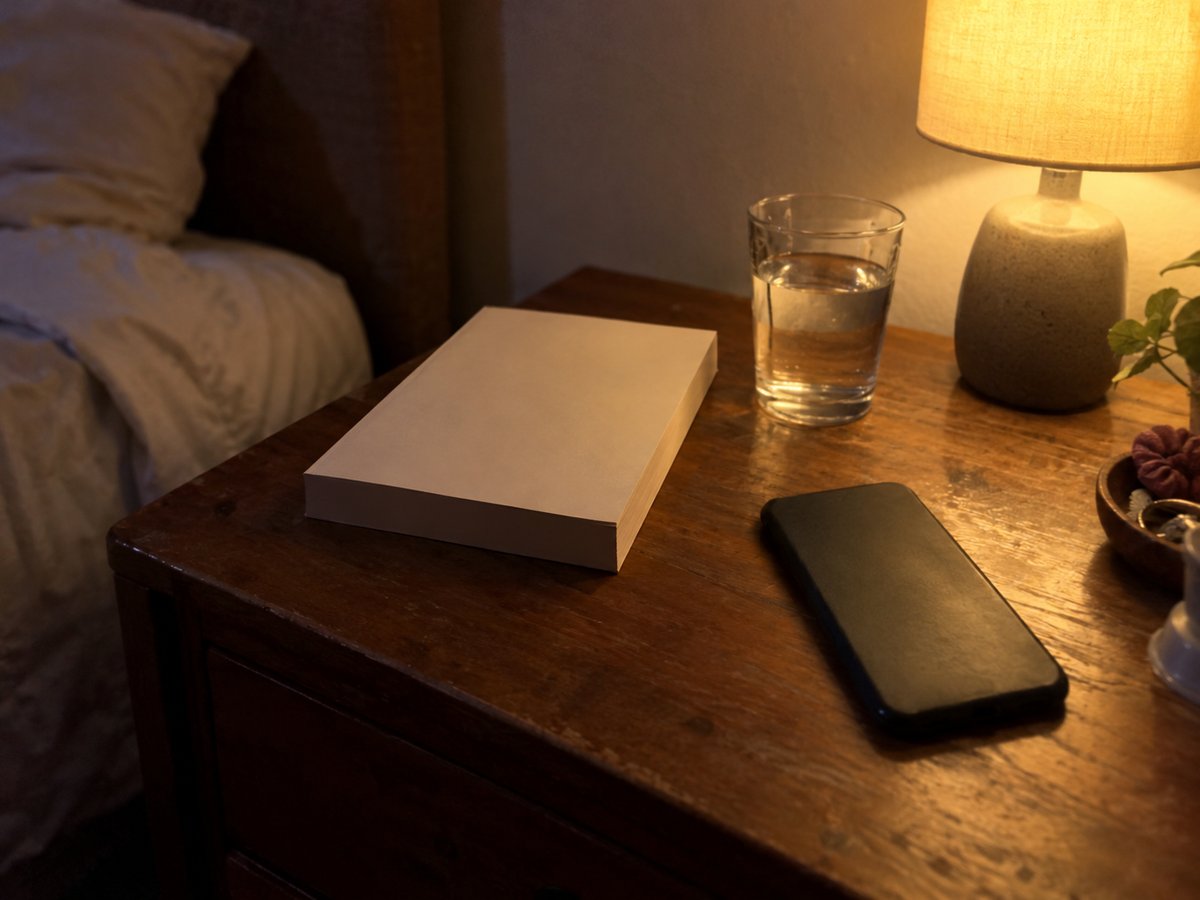
The main habits
- Regular times: going to bed and, above all, getting up at roughly the same time every day, weekends included.
- Morning light: daylight soon after waking helps set the body clock.
- A suitable bedroom: dark, quiet and slightly cool. Many people sleep best at around 16 to 19 °C.
- Wind down: a quieter, dimmer last hour before bed, without work or stressful conversations.
- Screens: bright screens late in the evening can delay sleepiness for some people, partly through light and partly through the stimulation of the content itself.
- Caffeine: its effects last several hours. Many people do better avoiding it from early afternoon; see caffeine.
- Alcohol: it can make you drowsy but tends to fragment sleep in the second half of the night.
- Late meals: a heavy meal just before bed can disturb sleep; see meal timing.
- Daytime activity: regular physical activity is associated with better sleep, though very intense exercise right before bed suits some people less.
If you cannot sleep
A common suggestion is not to lie in bed awake for very long. If you are still awake after about 20 minutes, get up, go to another dim room, do something calm and return when you feel sleepy. This keeps the bed associated with sleep rather than with frustration.
In everyday life
- Pick one habit to change first, for example a fixed wake-up time.
- Charge the phone outside the bedroom, or at least out of reach.
- Keep naps short and early in the afternoon if you need them.
- Write a list before bed if worries keep you awake.
- Notice patterns: poor sleep often shows up as a higher resting heart rate or a harder time recovering from exercise; see active recovery.
Common confusions
"Good sleep habits are all you need for insomnia." On their own they are usually not enough for chronic insomnia. The approach generally recommended for that is cognitive behavioural therapy for insomnia (CBT-I), delivered by a trained professional.
"You can catch up on sleep at the weekend." Long lie-ins can shift the body clock and make Monday nights harder.
"Everyone needs exactly eight hours." Needs differ. How you feel during the day is a better guide than a fixed number.
Loud snoring with pauses in breathing, persistent difficulty sleeping, or excessive daytime sleepiness are reasons to talk to a doctor.
Added Sep 15, 2026 · Filed under Rest & recovery