NEAT
Also: non-exercise activity thermogenesis
What it is and how it works
The energy the body uses in a day can be divided into a few parts. The largest is the energy needed simply to stay alive at rest. A smaller part goes into digesting food. The rest is movement, and movement itself splits into two: exercise, the activity you plan as a workout, and NEAT, everything else.
The term was popularised in the late 1990s by the American researcher James Levine, whose team found that differences in everyday movement could explain large differences in daily energy use between people of similar size. In some studies, the gap in NEAT between very sedentary and very active people reached the equivalent of several hundred to over a thousand kilocalories a day, more than many workouts burn.
What counts
- walking to work, to the shops or to the bus stop,
- standing rather than sitting, even while doing something else,
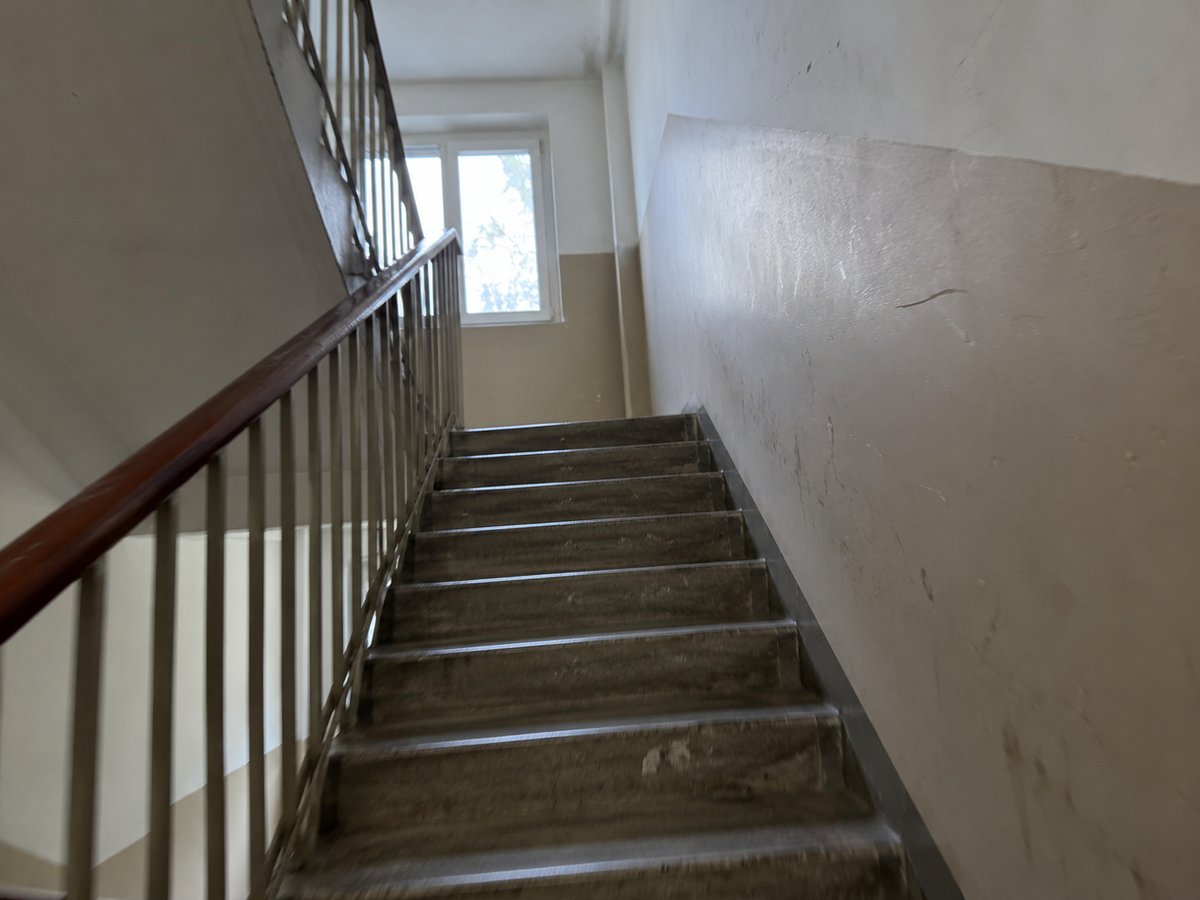
- climbing stairs,
- cleaning, cooking, carrying shopping, gardening,
- playing with children or walking a dog,
- small movements such as shifting position or tapping a foot.
None of these feels like training. That is precisely the point: they fill the many hours of the day that a 45-minute workout does not.
Why it varies so much
Job type has the most obvious effect: a nurse on a ward or a delivery rider moves far more than someone at a desk. Commuting habits, home layout, season, weather, age, personality and even how tired people feel all play a part. Some research suggests people may move less, without noticing, after starting an intense exercise programme or when they are short of sleep.
In everyday life
- Walk part of the journey: get off a stop earlier, park further away, or walk short distances you would normally drive.
- Break up sitting: stand up every half hour or so, during phone calls, or while reading emails.
- Use stairs when you can, even for a floor or two.
- Household movement counts: cleaning, tidying and gardening are real activity.
- Walking meetings or calls work for many people.
- Daylight bonus: walking outside in the morning also gives the body clock a clear signal; see circadian rhythm.
NEAT does not replace other forms of training. Muscles also benefit from being worked against resistance; see resistance training. And joints like to move through their full range; see mobility.
Common confusions
"NEAT is a type of workout." By definition it is the opposite: all the movement that is not planned exercise.
"If I exercise in the morning, the rest of the day doesn't matter." A workout and a sedentary day can coexist. Both regular exercise and less sitting are part of general activity guidelines.
"Step counts and NEAT are the same." Steps measure walking, which is a large part of NEAT but not all of it.
"You have to count everything." Not at all. Most people do well simply by noticing long periods of sitting and breaking them up.
Added Oct 17, 2026 · Filed under Movement