Home › Food & nutrients › Magnesium
Magnesium
What it is and how it works
Magnesium is one of the minerals the body needs in fairly large amounts compared with trace elements such as iron or zinc. An adult body holds roughly 25 grams of it, more than half stored in the bones, most of the rest inside muscle and other soft tissues. Only a small fraction circulates in the blood.
Inside cells, magnesium works alongside hundreds of enzymes. It is part of how the body turns food into usable energy, how nerves pass on signals and how muscles contract and then relax. Because it carries an electrical charge when dissolved, it also counts among the electrolytes.
The officially recognised roles of magnesium in the European Union read like a list of everyday processes. Magnesium contributes to:
- normal muscle function and normal functioning of the nervous system,
- normal energy-yielding metabolism and the reduction of tiredness and fatigue,
- electrolyte balance and normal protein synthesis,
- normal psychological function,
- the maintenance of normal bones and teeth.
Where it is found
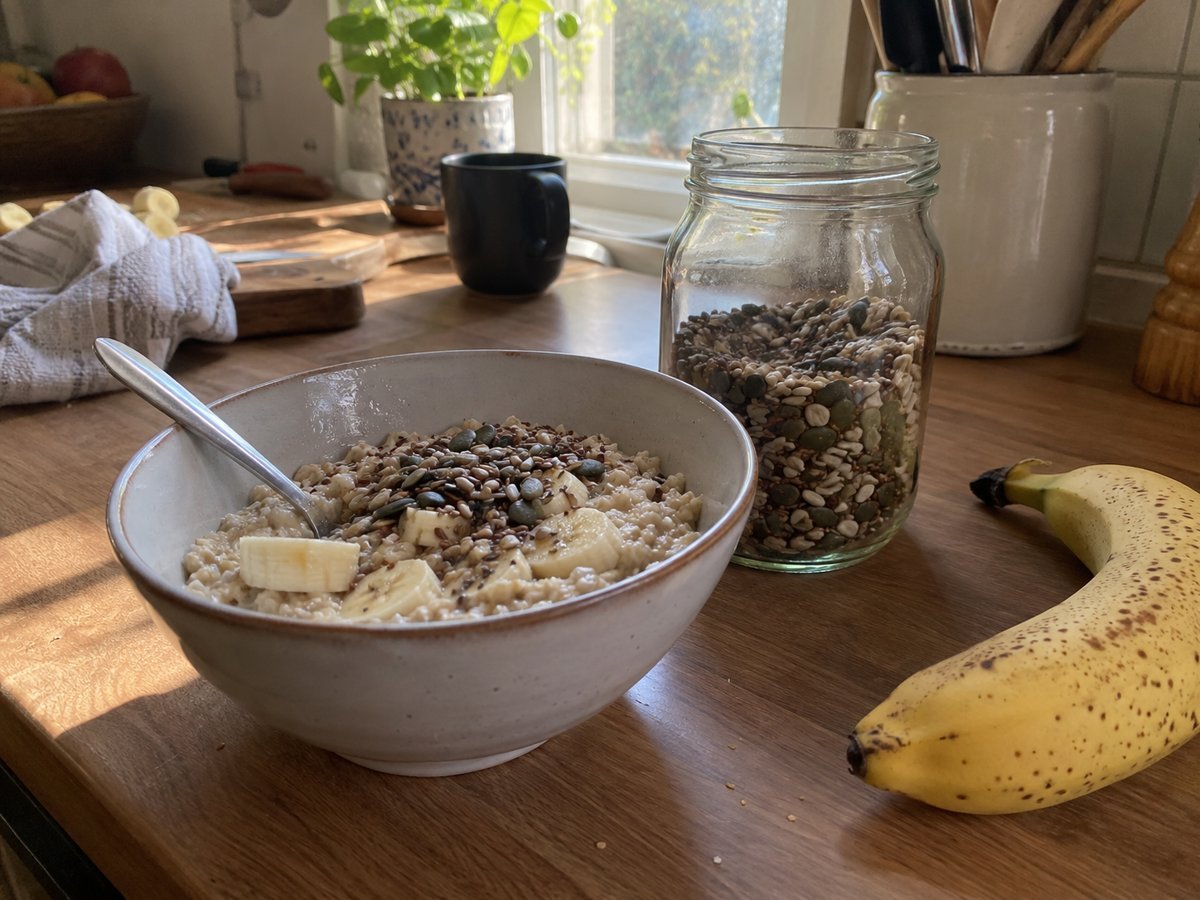
Magnesium is widespread in minimally processed plant foods. Good everyday sources include pumpkin seeds, sunflower seeds, almonds and cashews; legumes such as beans and lentils; whole grains such as oats, buckwheat and wholemeal bread; dark green leafy vegetables like spinach and chard; and, in smaller amounts, bananas, dark chocolate, milk and some mineral waters.
Refining grain removes much of the magnesium along with the bran and germ, so a diet built around white bread, white pasta and highly processed snacks tends to provide less of it.
Who talks about it
Magnesium comes up in conversations about sport, busy periods and ageing. Heavy sweating, some medicines (certain diuretics and acid-reducing drugs, for example), digestive conditions and a diet low in plant foods can all affect how much is available. Low magnesium is not something to self-diagnose: if you are concerned, a qualified professional can look at your situation and, if needed, arrange a blood test.
Supplements exist in many forms (citrate, glycinate, oxide and others). They are a separate topic from food, and high doses can upset the stomach or interact with medication, so it is worth asking a pharmacist or doctor before starting one, especially if you have kidney problems.
In everyday life
- A handful of seeds or nuts on porridge or a salad is one of the easiest ways to add magnesium.
- Beans and whole grains several times a week cover a lot of ground.
- Green vegetables count, even cooked.
- Variety beats targeting: foods rich in magnesium are usually rich in fiber and other minerals too.
Common confusions
"Muscle cramps always mean low magnesium." Cramps have many possible causes, including fatigue, heat, dehydration and long periods in one position. Magnesium is only one piece of a larger picture.
"Magnesium is a sleeping aid." Magnesium contributes to normal functioning of the nervous system and normal psychological function, but it is not a sedative. Sleep depends far more on routine, light and stress; see sleep hygiene.
"Everyone is deficient." Surveys show that many people eat less magnesium than recommended, but that is not the same as having a deficiency. A varied diet with plenty of plant foods is the usual starting point.
Added Sep 24, 2026 · Filed under Food & nutrients