Home › Food & nutrients › Protein
Protein
What it is and how it works
Every protein is a chain of building blocks called amino acids. There are twenty of them in the proteins we eat. The body can make some of them itself, but nine have to come from food; these are called essential amino acids.
When you eat a piece of fish or a bowl of lentils, digestion cuts the protein into individual amino acids and short fragments. These are absorbed and used to build and repair the body's own proteins: muscle fibres, enzymes, hormones, the structural framework of skin, hair and bone. Protein contributes to the growth and maintenance of muscle mass and to the maintenance of normal bones.
Unlike fat or carbohydrate, the body has no dedicated storage tank for spare protein. A regular supply across the day is therefore more useful than one very large serving.
Where protein comes from
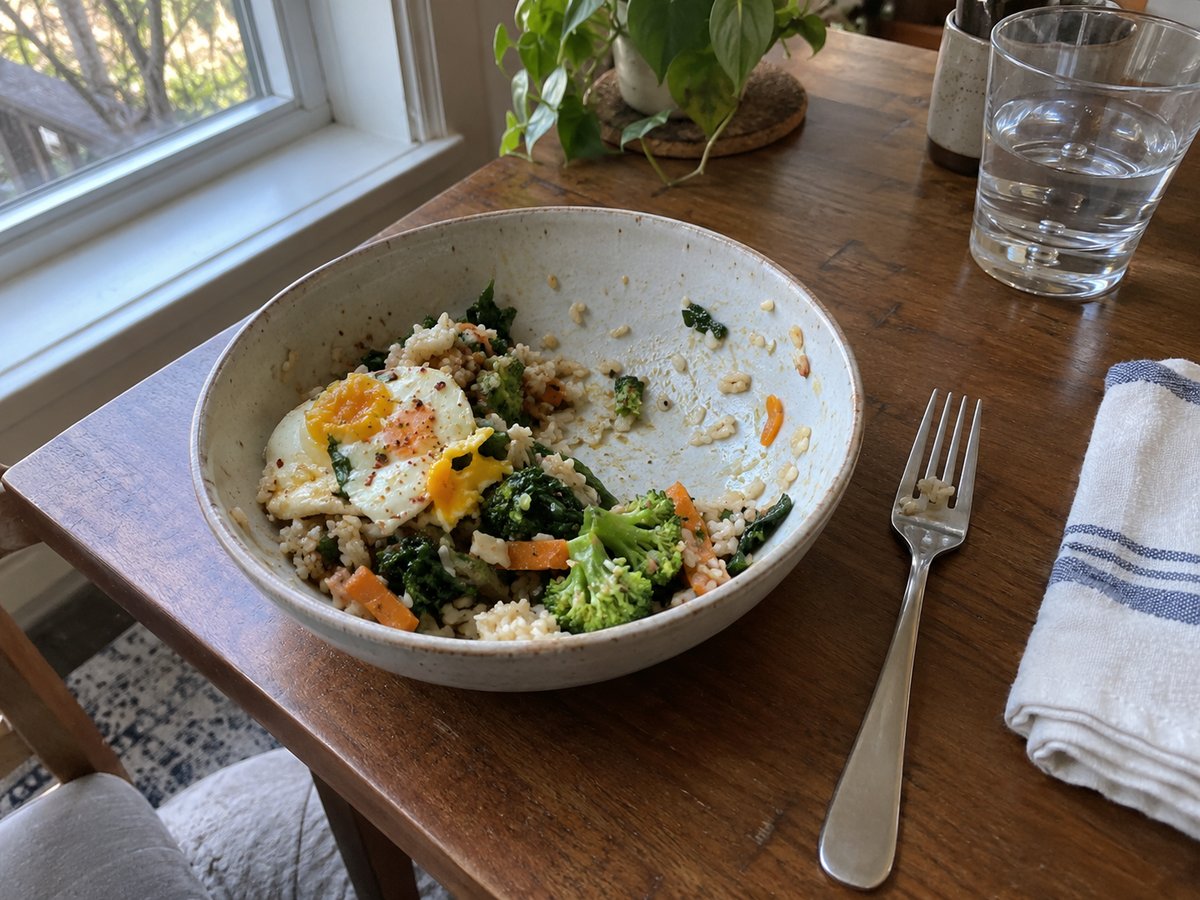
Protein is found in a wide range of foods:
- Animal sources: meat, poultry, fish, eggs, milk, yoghurt and cheese. Oily fish brings omega-3 fats at the same time.
- Plant sources: legumes (lentils, beans, chickpeas, peas), tofu and tempeh, nuts and seeds, and smaller amounts in grains such as oats, wheat and quinoa.
Animal proteins contain all nine essential amino acids in useful proportions, which is why they are sometimes called "complete". Most plant foods are lower in one or two of them. In practice this matters less than it sounds: eating a variety of plant proteins over the day, for example beans with rice or hummus with bread, covers the full range.
How much people talk about
General dietary guidance in Europe uses a reference intake for adults of about 0.8 g of protein per kilogram of body weight per day. Needs vary with age, body size, activity and health, and older adults, pregnant women and people who train hard are often discussed separately. Anyone with kidney problems or a specific medical situation should take advice from a qualified professional rather than follow a general figure.
In everyday life
- Spread it out: a source of protein at breakfast, lunch and dinner is easier than trying to catch up in the evening. See meal timing.
- Think in foods, not grams: eggs, a pot of plain yoghurt, a portion of fish, a bowl of lentil soup or a handful of nuts all add up.
- Pair it with movement: muscle responds to being used. Protein and resistance training are often mentioned together for that reason.
- Fullness: meals with a fair amount of protein tend to feel more filling, which links to satiety.
Common confusions
"Protein is only for bodybuilders." Everyone needs it, every day. Athletes simply talk about it more.
"More is always better." Beyond what the body can use, extra protein is used for energy or converted and excreted; it does not automatically turn into more muscle. A varied diet usually provides enough for most adults.
"Plant protein is incomplete, so it doesn't count." It counts. Combining different plant sources across the day provides all the essential amino acids.
"Protein powder is a different nutrient." A protein powder is a convenient, concentrated form of food protein, usually from milk, peas or soy. It is not essential, and whether it is useful depends on the rest of the diet.
Added Sep 14, 2026 · Filed under Food & nutrients