Home › Food & nutrients › Electrolytes
Electrolytes
What it is and how it works
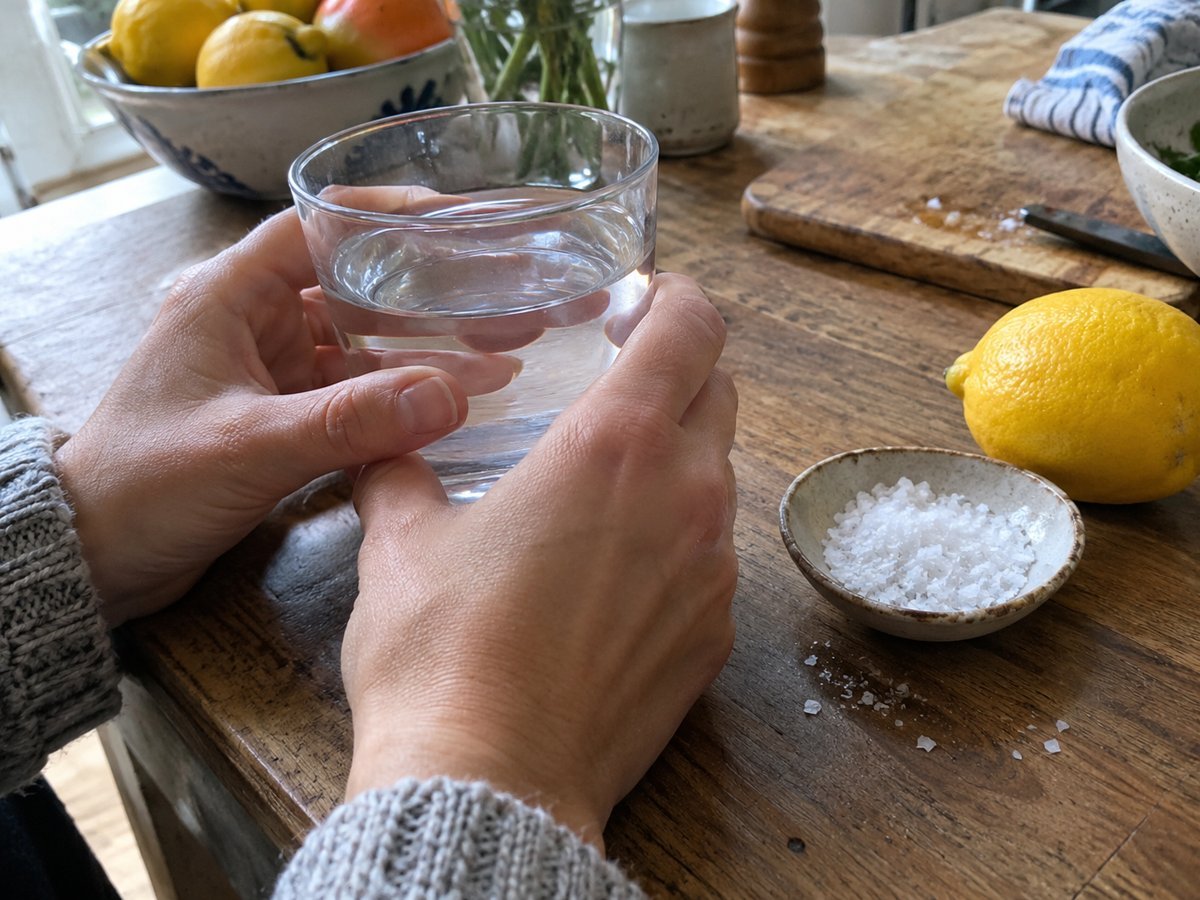
Put table salt in water and it separates into sodium and chloride, each carrying a tiny electrical charge. The same thing happens inside the body. These charged minerals sit in the blood, between cells and inside cells, and their concentration on either side of a cell membrane is what allows nerves to fire and muscles to contract.
They also steer water. Water tends to follow sodium and other dissolved particles, so the balance of electrolytes is closely tied to how much fluid stays in the blood and how much moves into tissues. The kidneys do most of the fine-tuning, retaining or releasing sodium, potassium and water from hour to hour.
The main players
- Sodium keeps fluid in the bloodstream. It comes mostly from salt, and much of it from processed foods rather than the salt shaker.
- Potassium works mainly inside cells. It contributes to normal muscle function, normal functioning of the nervous system and the maintenance of normal blood pressure. Vegetables, fruit, potatoes, beans and dairy are good sources.
- Chloride usually travels with sodium and plays a part in digestion as a component of stomach acid.
- Magnesium contributes to electrolyte balance and normal muscle function; see magnesium.
- Calcium is best known for bones, but a small amount in body fluids is essential for muscle contraction and nerve signalling.
Sweat, heat and long efforts
Sweat is mostly water with sodium and smaller amounts of other minerals. In everyday life, ordinary meals replace what is lost. During long, hard exercise in the heat, it can be a different story: losses of several litres of sweat are possible in a few hours.
This is where carbohydrate-electrolyte drinks come in. Their officially recognised role is specific: they contribute to the maintenance of endurance performance during prolonged endurance exercise and enhance the absorption of water during physical exercise. For a 30-minute walk or a normal working day, water and regular food are usually all that is needed. See also hydration.
In everyday life
- After sport: a normal meal with some salt, vegetables and a drink restores most of what was lost.
- Hot days and long hikes: salty snacks, fruit and enough fluid matter more than a special product.
- Too little salt is rare; too much is common. Many diets already contain more sodium than recommended, largely through bread, ready meals and snacks; see ultra-processed food.
- Illness: vomiting or diarrhoea can cause real electrolyte losses. Oral rehydration solutions from a pharmacy exist for this, and persistent symptoms, especially in children or older people, need medical attention.
Common confusions
"Electrolyte drinks are better than water." For most daily situations they are not needed, and many contain added sugar.
"Drinking more water always helps." Very large amounts of plain water during long endurance events, without any sodium, can dilute blood sodium. This is uncommon but serious, and a good reason not to over-drink.
"Cramps mean you need electrolytes." Sometimes, but not always. Fatigue and unaccustomed effort are frequent causes too.
If you take medication affecting fluid balance, such as diuretics, or have kidney or heart conditions, electrolytes are a topic to discuss with a qualified professional rather than to adjust on your own.
Added Oct 19, 2026 · Filed under Food & nutrients