Home › Everyday habits › Added sugar
Added sugar
Also: free sugars (the term used by WHO), sugars added during processing
What it is and how it works
Sugar occurs naturally in many foods: fructose in fruit, lactose in milk, small amounts of sucrose in vegetables. When that sugar stays inside the structure of a whole fruit or comes with milk's protein and fat, it is generally not the concern.
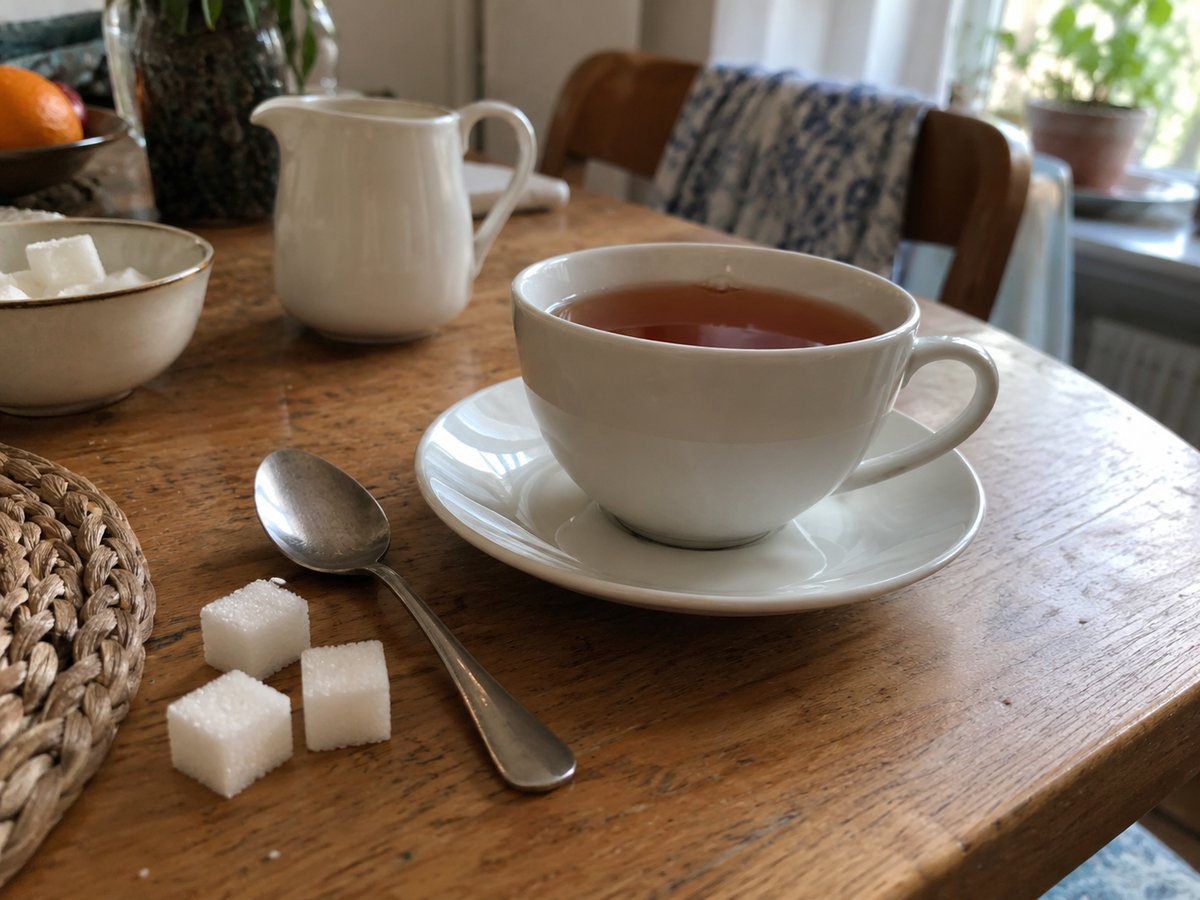
Added sugar is different. It is the sugar a manufacturer stirs into a yoghurt, the syrup in a soft drink, the spoonful in your coffee. The World Health Organization uses the term free sugars, which covers all of those plus honey, syrups and fruit juices, because squeezing or blending fruit releases its sugars from the cell walls.
The WHO advises adults and children to keep free sugars below 10 per cent of daily energy intake, and suggests that going below 5 per cent would bring further benefits. For an average adult, 5 per cent is around 25 grams, or six teaspoons, a day. Much of what people eat comes not from the sugar bowl but from drinks and packaged foods.
Many names
On an ingredients list, added sugar can appear under many names, sometimes several in one product:
- sugar, cane sugar, brown sugar, raw sugar,
- glucose, fructose, sucrose, dextrose, maltose,
- glucose syrup, glucose-fructose syrup, corn syrup, invert sugar,
- honey, maple syrup, agave syrup, rice syrup, molasses,
- fruit juice concentrate.
Ingredients are listed in order of weight, so a sugar near the top means there is a lot of it. In many countries the nutrition table shows "of which sugars", which includes both natural and added sugars together.
Why it matters
Sugary drinks and snacks add energy without much fullness, which links them to satiety and to weight gain over time. Frequent sugar is a major factor in tooth decay, because mouth bacteria ferment it into acid. Foods high in added sugar often also carry refined starch and fat and sit in the ultra-processed category.
None of this makes sugar poisonous or forbidden. It is about quantity and frequency.
In everyday life
- Drinks first: soft drinks, sweetened coffees, energy drinks and juices are the largest source for many people. Water, plain tea and coffee, or sparkling water with a slice of lemon are easy swaps; see caffeine.
- Plain plus fruit: buy plain yoghurt or porridge and add fruit yourself.
- Taste adapts: cutting back gradually over a few weeks makes very sweet foods taste sweeter than before.
- Breakfast cereals: compare labels; whole-grain oats are typically far lower than sweetened cereals.
Common confusions
"Honey and syrups are natural, so they don't count." They count as free sugars.
"Fruit is full of sugar, so it should be avoided." Whole fruit is not the target of sugar guidelines; its fiber and water make a difference.
"Brown sugar is healthier than white." Brown sugar is white sugar with a little molasses. The difference is minor.
"Sugar-free means healthy." It may simply mean sweeteners are used instead. Look at the product as a whole.
Added Oct 13, 2026 · Filed under Everyday habits