Home › Food & nutrients › Iron
Iron
What it is and how it works
An adult body contains only three to four grams of iron, yet it is indispensable. Most of it sits in haemoglobin, the protein inside red blood cells that picks up oxygen in the lungs and releases it in the tissues. Some is in myoglobin, which holds oxygen in muscles, and some is stored in the liver for later.
The officially recognised roles of iron in the EU reflect this. Iron contributes to:
- the normal formation of red blood cells and haemoglobin,
- normal oxygen transport in the body,
- normal energy-yielding metabolism and the reduction of tiredness and fatigue,
- normal cognitive function and normal function of the immune system.
The body cannot easily get rid of excess iron. Instead, it controls how much it absorbs from food, taking in more when stores are low and less when they are full.
Two kinds of iron in food
- Haem iron is found in meat, poultry and fish, with red meat and offal the richest sources. It is absorbed relatively well.
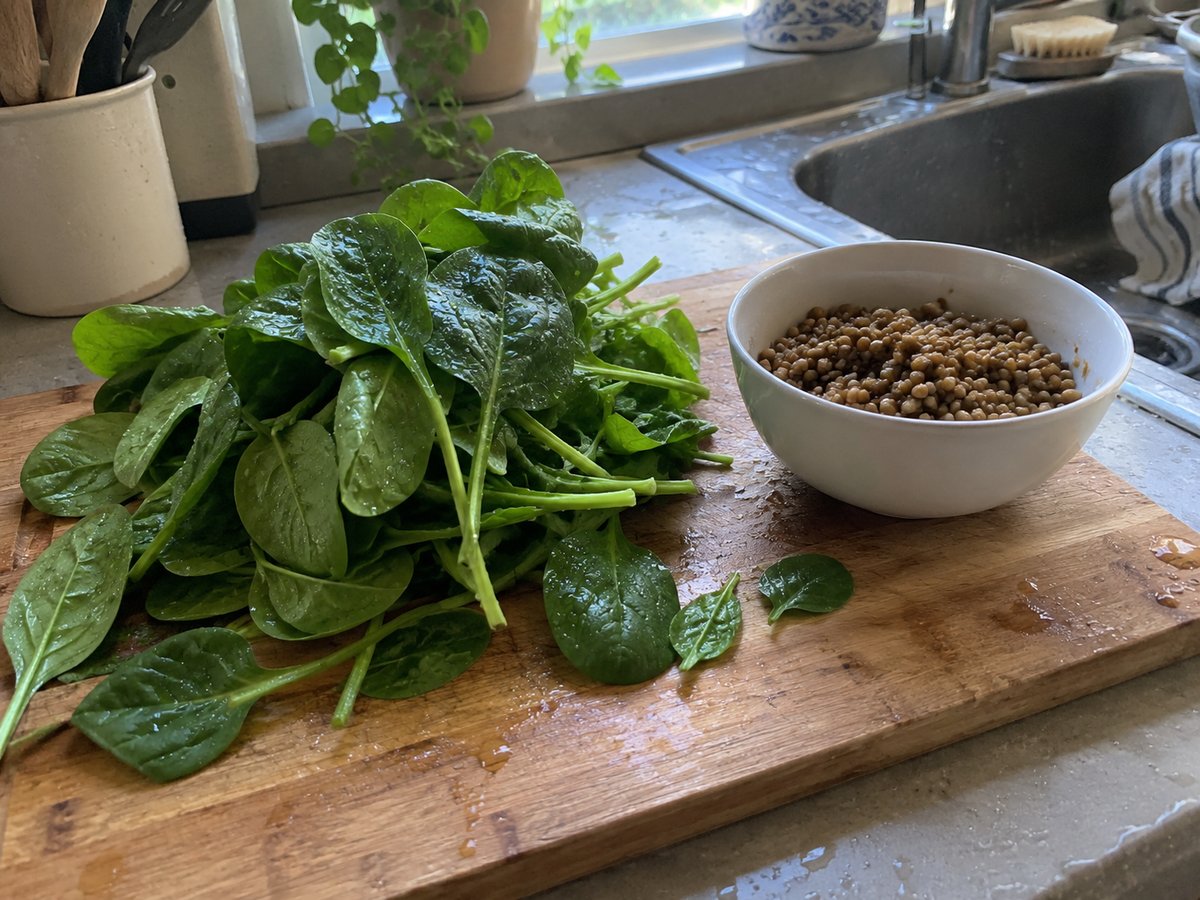
- Non-haem iron is found in plant foods: legumes, tofu, dark green leafy vegetables, whole grains, nuts, seeds and dried fruit, and in eggs and fortified cereals. It is absorbed less efficiently, and what is eaten alongside it makes a real difference.
Vitamin C helps. Vitamin C increases iron absorption, so a pepper salad with a lentil dish, or a piece of fruit after a bean stew, is a simple pairing.
Tea and coffee reduce it. Compounds in tea and coffee (polyphenols) can lower the absorption of non-haem iron from a meal. Having them between meals rather than with them is a common suggestion; see caffeine.
Who talks about it
Iron needs vary widely. Women with heavy periods, pregnant women, infants and toddlers, teenagers, frequent blood donors and some endurance athletes are more often mentioned in discussions about low iron. Vegetarians and vegans can meet their needs with planning.
Tiredness has many causes, and low iron is only one of them. It can be confirmed only with a blood test. If you feel persistently exhausted, short of breath or unusually pale, see a doctor rather than guessing.
Why self-supplementing is a poor idea
Iron supplements can cause stomach upset and constipation, interact with some medicines, and are dangerous to young children in overdose; keep them out of reach. Some people also have a genetic tendency to store too much iron. Supplements should be taken on the advice of a qualified professional, ideally after a test.
In everyday life
- Build meals around iron sources: beans, lentils, eggs, fish or meat, depending on how you eat.
- Add colour: peppers, tomatoes, citrus, berries or broccoli bring vitamin C to the same plate.
- Move the tea: enjoy tea or coffee an hour or so away from main meals if iron is a concern.
- Cast-iron pans can add a small amount of iron to acidic dishes cooked in them.
Common confusions
"Spinach is the best source of iron." It contains iron, but also substances that limit its absorption. Legumes and fortified cereals are often more useful plant sources.
"Feeling tired means you need iron." Not necessarily; tiredness is common and has many explanations.
"More iron gives more energy." Only if stores are low. Extra iron in someone with adequate stores brings no benefit and can be harmful.
Added Oct 06, 2026 · Filed under Food & nutrients